

Regional News
〰️
Regional News 〰️
DAILY / WEEKLY LINKS
The links on this page are regularly updated from a variety of sources to provide timely and relevant information. Sources may change as new stories and updates become available.
Trump administration denies full disaster funding for Western Alaska storms, state files appeal (alaskabeacon.com)
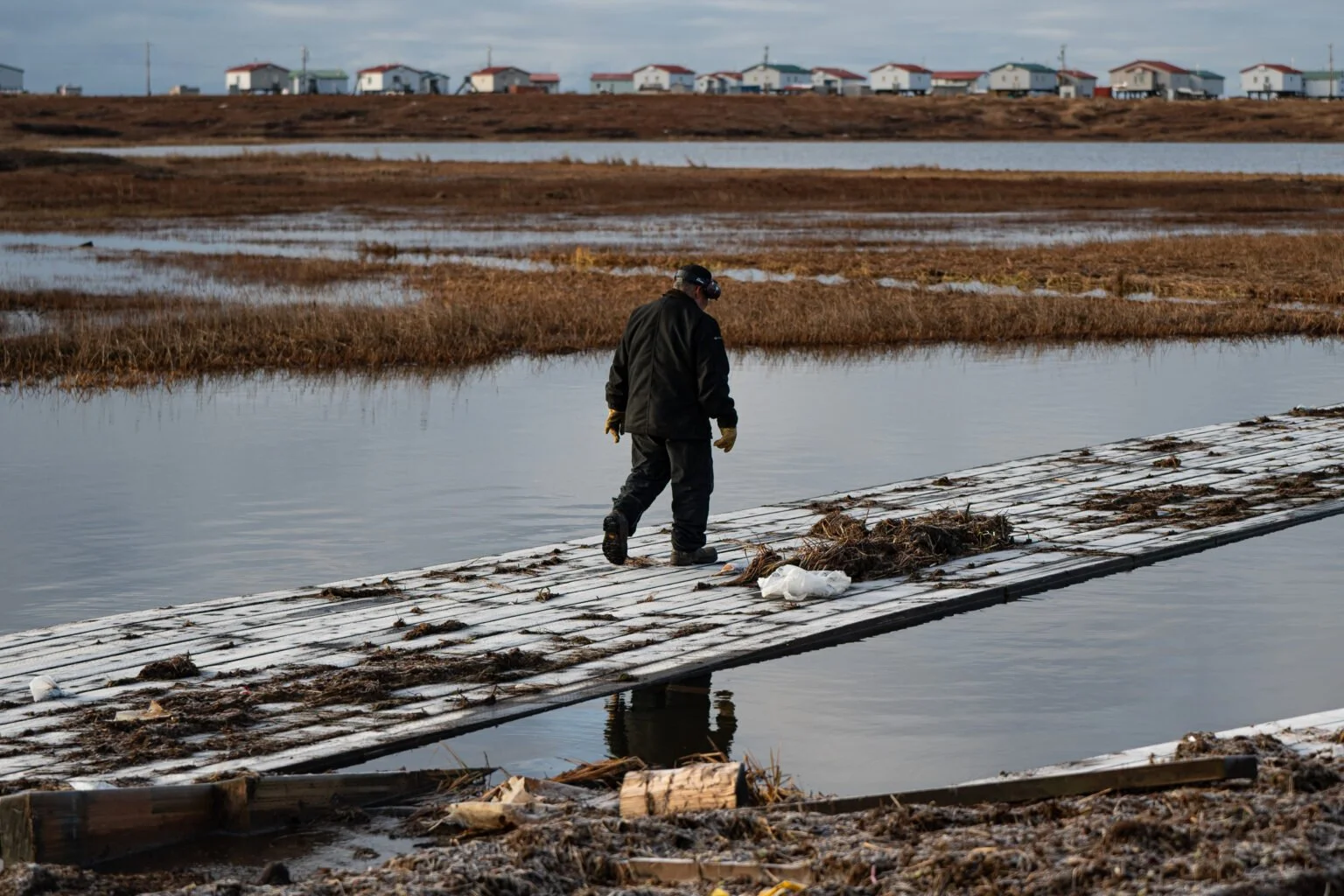
image from: alaskabeacon.com
The Trump administration has denied Alaska’s request for full reimbursement for disaster relief efforts immediately following last October’s devastating Western Alaska storms, despite the Dunleavy administration’s claim that the federal disaster declaration meant the state would be fully reimbursed.
Gov. Mike Dunleavy arrives in Bethel after visiting the storm-damaged villages of Kipnuk and Kwigillingok. (Photo by Eric Stone/Alaska Public Media)
Gov. Mike Dunleavy arrives in Bethel after visiting the storm-damaged villages of Kipnuk and Kwigillingok on Oct. 17, 2025.
That leaves the state on the hook for millions of dollars for disaster recovery, however the full amount is still unknown.
The state’s request for federal support for 100% of disaster relief efforts in the first 90 days after the storms hit was denied on Dec. 20, according to a spokesperson for the Alaska Division of Homeland Security and Emergency Management on Thursday.
The state appealed the denial on Jan. 15, and asked for a 90% federal cost reimbursement, but has not yet gotten a response from the Federal Emergency Management Agency.
“We have not heard back from FEMA on approval or denial and there is no timeframe requirement,” said Jeremy Zidek, public information officer for the division, by email.
A spokesperson for Dunleavy’s office did not respond to a list of questions, but confirmed the appeal on Friday. “An appeal has been filed and the administration will await the federal government’s decision,” said Jeff Turner, Dunleavy’s communications director.
In the meantime, the federal government is reimbursing Alaska’s disaster recovery efforts at roughly 75%, leaving the state to cover 25% of its costs, with some exceptions for certain relief programs, Zidek said.
(READ MORE - alaskabeacon.com)
Villages Destroyed and a Hunger for Home
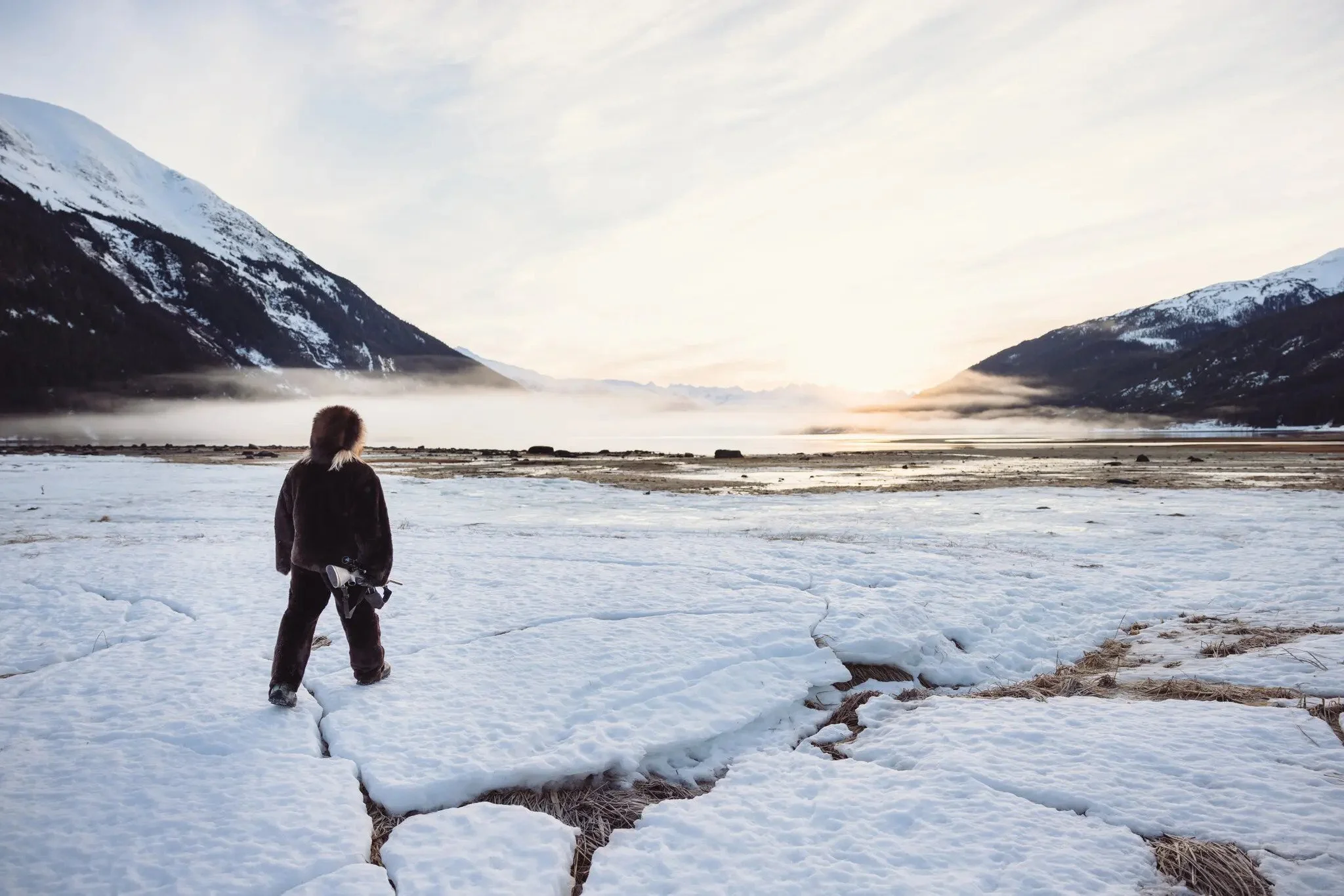
image from: nytimes.com
In October, as planeloads of evacuees from Alaska villages leveled by Typhoon Halong touched down in Anchorage, Tim Ackerman set about organizing a tribal hunting party.
They gathered their rifles and left out of the town of Haines on Alaska’s southeast panhandle, driving north along the rocky shore, scouting for sleek, dark heads breaking the smooth surface of the water.
The evacuees, the hunters knew, would soon be craving seal.
The storm hit a Yupik region 700 miles west on the Bering Sea coast, and even though Mr. Ackerman is Tlingit, he knew that Alaska Natives most everywhere took comfort in the taste of golden seal oil, rich in omega-3s and considered a medicinal soul food. It didn’t take long for him to shoot a 150-pound harbor seal, he said. The group paddled out by canoe, hooked it and hauled it in.
“Came into town, cleaned it up, wrapped it in two layers of Visqueen and tied it all shut, put some handles on it and took it out to the airport, weighed it in, and it was ready to ship,” Mr. Ackerman said.
Image
A man in a fur-lined jacket walking next to a pickup truck carries a rifle in the snow.
Tim Ackerman knew when he heard of the villages being evacuated that the residents would be craving their traditional foods.Credit...Colin Arisman for The New York Times
Image
The head of a seal emerging from calm water.
Seal meat and oil are essential to the traditional diet of the Yup’ik people.Credit...Colin Arisman for The New York Times
The seal traveled by small plane to Juneau and then on an Alaska Airlines jet to Anchorage, where it was butchered and portioned for individual meals. The meals rode to a giant freezer at the Alaska Native Heritage Center, an organization at the center of an unprecedented wild food distribution effort to help more than 600 evacuees, mostly sheltered in Anchorage hotels, maintain their traditional diets as they await word on when, if ever, they can return home.
“Holed up in a hotel room and not able to go out and practice your subsistence, you’re basically separated from what you knew,” Mr. Ackerman said.
(READ MORE - nytimes.com)

The Norton Sound is a news and events aggregation site that collects and shares information about what’s happening across the Norton Sound and Seward Peninsula region of Alaska. Unless otherwise stated, content featured on this site is not copyrighted by The Norton Sound; we serve solely as an aggregator, highlighting news, announcements, and events from a variety of sources.