
News from around Alaska...
〰️
News from around Alaska... 〰️
DAILY / WEEKLY LINKS
The links on this page are regularly updated from a variety of sources to provide timely and relevant information. Sources may change as new stories and updates become available.
Anchorage lineman becomes latest Alaskan to make it to the Super Bowl

ANCHORAGE, Alaska (KTUU) - With Sunday’s 31-27 win over the Los Angeles Rams, the Seattle Seahawks clinched a trip to Super Bowl LX, and — for the first time in over a decade — gave a chance for an Alaskan to play in the biggest sporting event of the year.
Seattle defensive lineman Brandon Pili, who starred for Dimond High School and signed with the Seahawks before the season, will become what is believed to be the fifth player born in Alaska to make it to a Super Bowl, ending the longest ever drought between Alaskan appearances since the first in 1992. The previous four that had made it appeared in a combined six, going 4-2 overall.
The last Alaskan to play in the big game was fellow Dimond graduate Chris Kuper, a backup offensive lineman on the Denver Broncos that, coincidentally, were the victim of Seattle’s lone Super Bowl win in February 2014.
(READ MORE - ktuu.com)
Mom Moves Her Family to Rural Alaska for a 'Slow' Lifestyle. Now She Travels 9 Hours for Costco Hauls
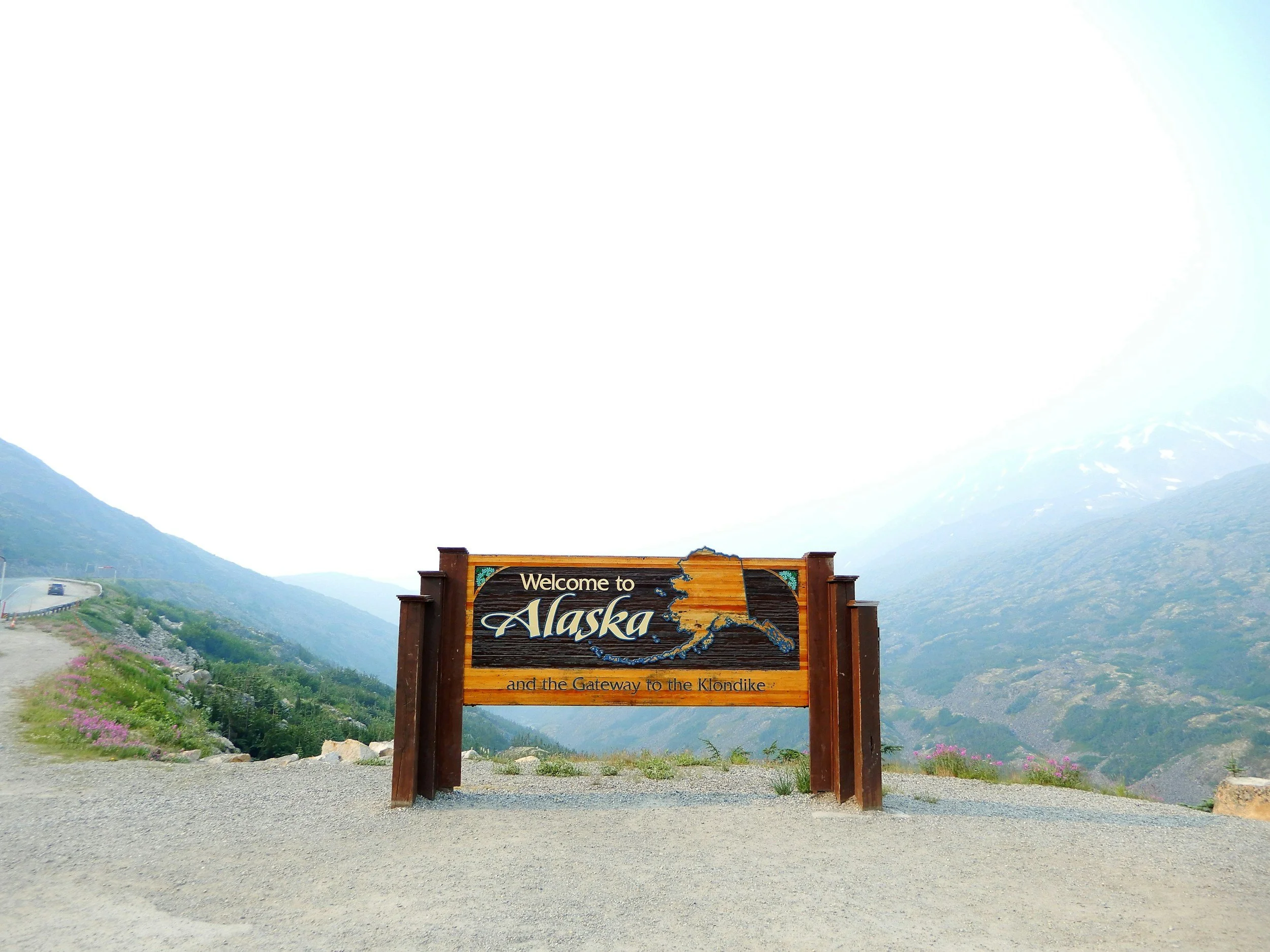
Olivia Jones and her family moved to Eagle, Alaska — a town just beyond the very end of State Highway 5, home to barely 100 residents — to "slow down life."
"The mile markers end and our house, you have to just keep going to get to us," she tells PEOPLE, of her family's home.
That distinct fact about her house's location is also the unique inspiration for her social media account's handles. On TikTok, under the handle @beyondthemilemarkers, Jones posts for her 117,900 followers about her life bordering the Canadian Yukon.
The Joneses came from a decidedly warmer place — St. Louis, Mo. — to start their new life out in "The Last Frontier," after Jones' husband's job in IT went remote as a result of COVID.
The decision to pick up their family and move out into the almost-wilderness, though unique, didn't just happen on a whim.
Jones' family originally forged their first connection with the state when her grandfather went up there in the 1970s to pursue gold mining, so Jones grew up visiting the surrounding areas. Her grandfather has been there since, and later, her parents fell in love with the landscape and also moved to Alaska, where they've been for about 13 years.
For a while, Olivia and her husband were in the in-between stages of considering the move.
"We sat on it for quite a while, going back and forth, and trying to figure out: 'What does it look like if we do this?'"
For the Joneses, their primary concern was how the move would impact their four children, with Jones admitting that it did impact them "tremendously."
(READ MORE - people.com)
Bethel’s Pete Kaiser makes K300 history with 10th first-place finish
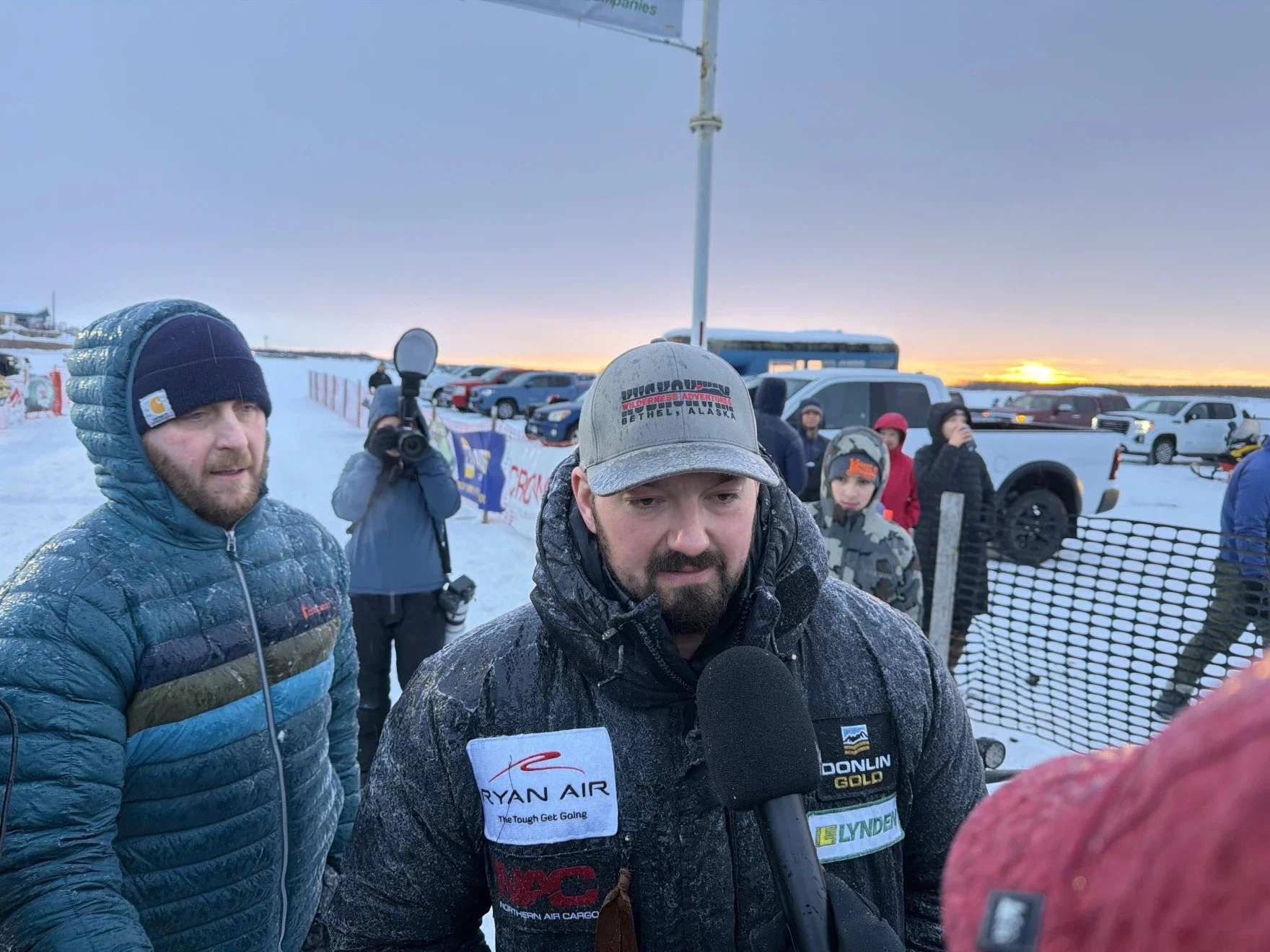
image from: kyuk.org
Bethel’s own Pete Kaiser has become the winningest musher in Kuskokwim 300 Sled Dog Race (K300) history. The scene on the Bethel riverfront on the morning of Sunday, Jan. 25 was electric as family, friends, and fans cheered the hometown hero across the finish line at 10:40 a.m.
“Just reminiscing about the last 20 years and how we got here,” Kaiser told KYUK at the finish line.
Kaiser now has 10 first-place finishes in the race, breaking the nine-win record held for years by mushing legend Jeff King.
In this year’s race from Bethel to Aniak and back, Kaiser said that victory never felt assured.
“I thought, wow … there [were] six or seven different teams that could maybe pull this off if they kept having the run they were having. So no, I wasn't super confident,” Kaiser said.
(READ MORE - kyuk.org)
Documenting an Alaska Village, Before and After the Storm That Destroyed It
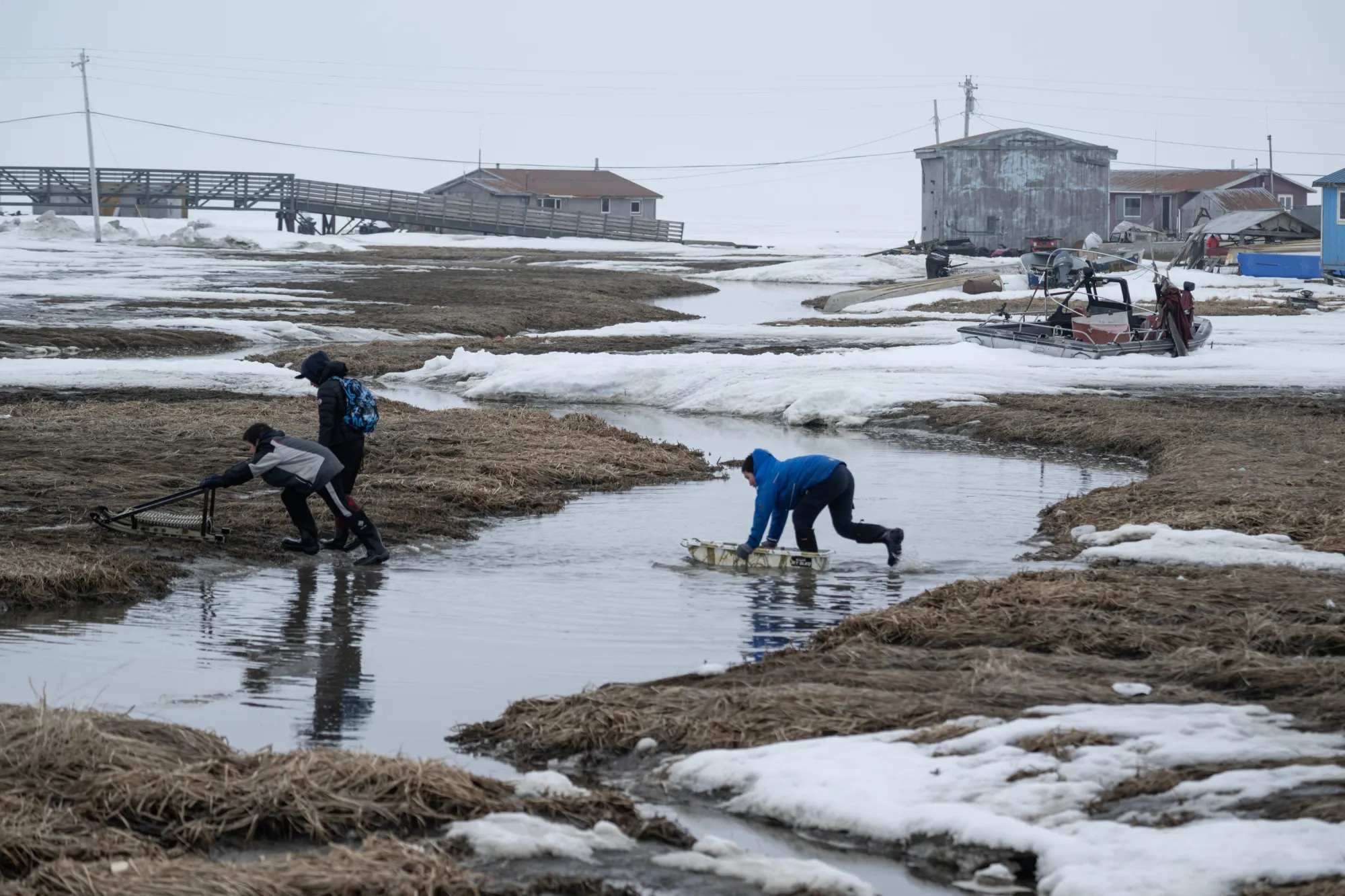
image from: propublica.org
Joann Carl’s dog Rocky, a long-eared, short-legged mix the color of graham crackers, has become Alaska famous since I first met Carl in April. Over the past few months, she’s seen his photo all over Facebook, she said, rescued after Typhoon Halong wiped away more than half the homes in her coastal Alaska Native village of Kipnuk, population 700.
At the Anchorage Daily News, we’re based in Alaska’s largest city but travel as often as we can to small communities like Kipnuk in an attempt to cover a state that’s twice the size of Texas. We try to report more than one story at a time to justify the expense of plane tickets. Flights to a remote village in a small plane cost the same as a trip to New York. But rarely do we have the chance to document a community just before the breaking news arrives.
Maybe you didn’t hear much about the typhoon. It began as a tropical storm, dumping record rainfall in parts of Japan before swirling toward Alaska. By the time it reached our shores, the remnants of the storm still carried enough force to flood two villages, sweeping away homes and leaving as many as three people dead.
I’m writing to you about the storm because photojournalist Marc Lester and I happened to visit Kipnuk shortly before the typhoon. Marc returned to cover the evacuation, providing a look at an Alaska village on the front lines of climate change just before and after the devastation.
The story of destruction in Carl’s hometown, along with the nearby village of Kwigillingok, adds an exclamation point to long-simmering fears about the future of Alaska coastal villages. Which town will be wiped away next? Where will climate refugees live? Should their former homes be rebuilt? If not, what does it mean for the future of these communities?
(READ MORE - propublica.org)
AFN alarmed by proposed review of Alaska’s system of subsistence hunting and fishing
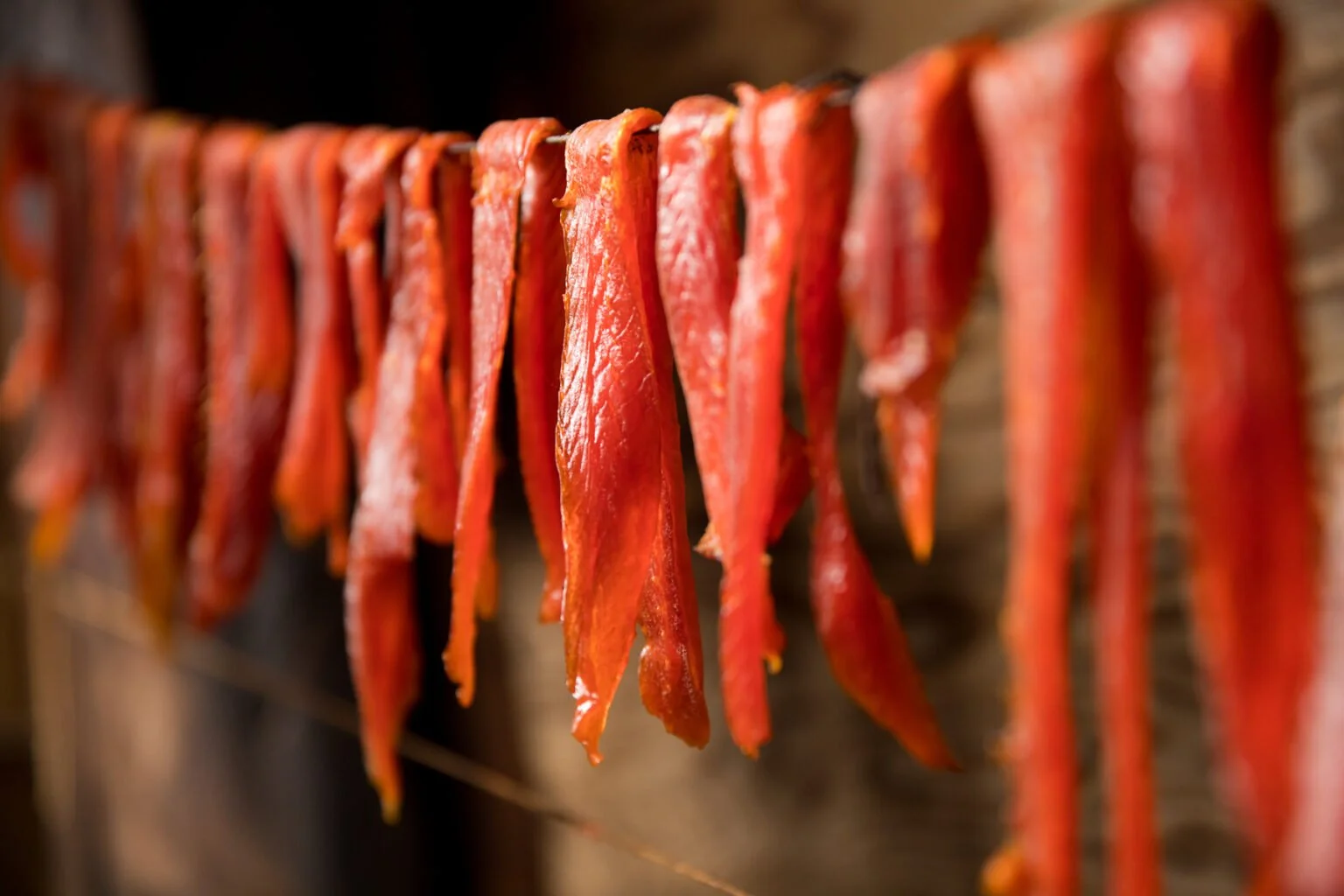
The U.S. Department of the Interior is considering whether to change Alaska’s unique system of hunting and fishing, which gives rural residents priority on federal land in Alaska.
According to a notice published Dec. 15 in the Federal Register, the Interior Department is conducting “a targeted review” of the program mandated by the Alaska National Interest Lands Conservation Act.
While no specific changes were identified in the notice, it prompted the Alaska Federation of Natives to react with concern.
In a message to members, it called the new proposal “a serious threat and a major step backward” in fish and game management within Alaska, according to a report Tuesday by the Anchorage Daily News.
(READ MORE - alaskabeacon.com)
From Juneau to Fairbanks, Alaska saw record-breaking snow and cold to start winter
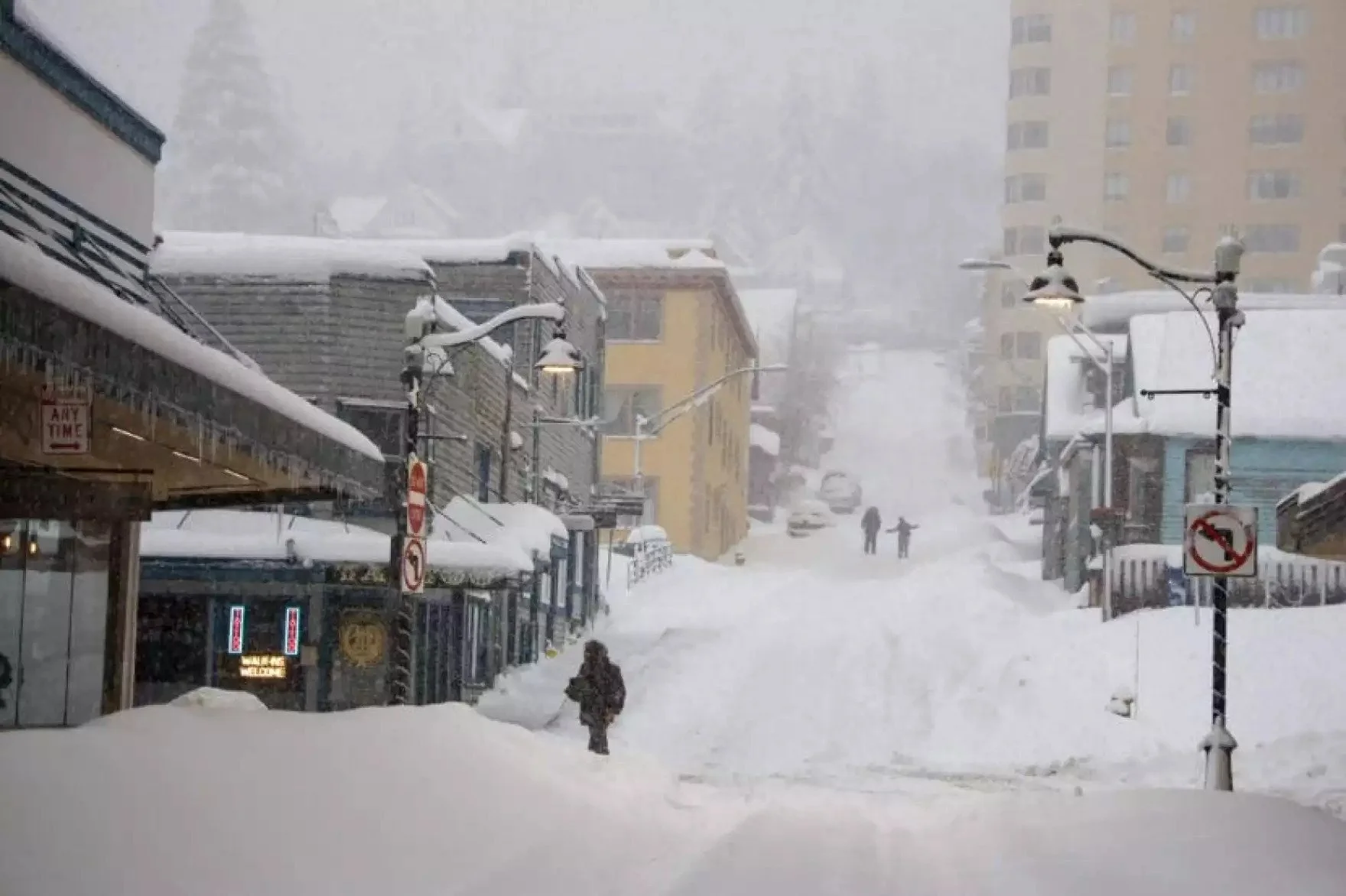
Alaska had a cold, and in some parts of the state very snowy, end to 2025.
December in Southeast Alaska was one for the record books, with historic snow and cold. Juneau had its snowiest-ever December and its coldest 30-day stretch in over 40 years.
Known for cold as much as Juneau is known for snow, Fairbanks just saw its chilliest 30-day stretch in a half-century.
National Weather Service climate researcher Brian Brettschneider — back for another Ask a Climatologist segment — says the early part of the season in Alaska has been characteristically wintry across the state.
(READ MORE - alaskapublic.org)

The Norton Sound is a news and events aggregation site that collects and shares information about what’s happening across the Norton Sound and Seward Peninsula region of Alaska. Unless otherwise stated, content featured on this site is not copyrighted by The Norton Sound; we serve solely as an aggregator, highlighting news, announcements, and events from a variety of sources.