
Alaska discovery reveals 12,000-year bond between humans and dogs
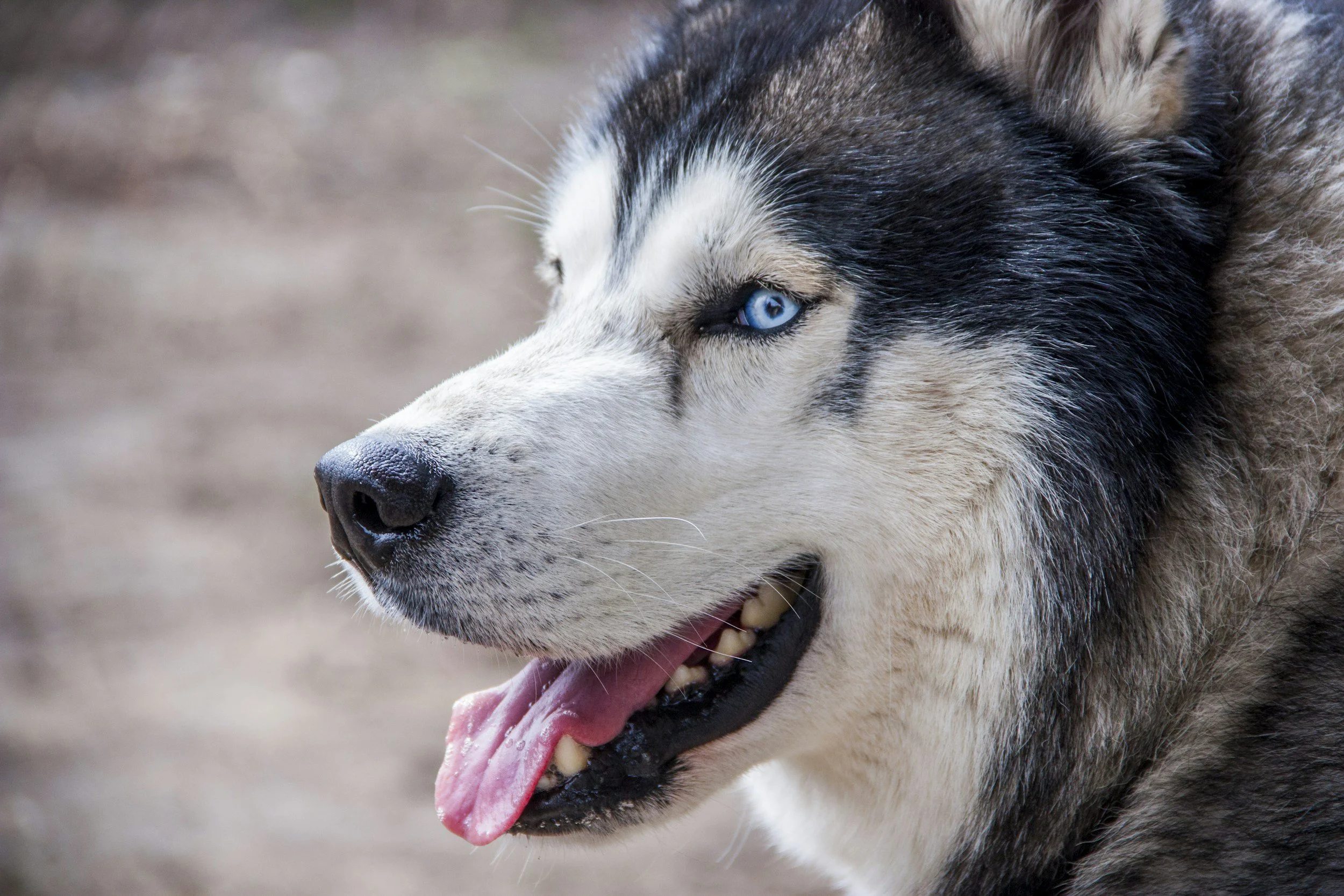
Researchers have discovered evidence that humans and dogs have been companions for thousands of years, with new findings from Alaska showing early people shared their food with canine partners about 12,000 years ago.
Anthropologists discovered remains of early doglike mammals during research digs in Alaska. The animals showed evidence of eating large amounts of salmon, according to François Lanoë, an anthropologist at the University of Arizona, whose team made the discovery.
The finding was unusual because the dogs weren’t found in areas where salmon is naturally available.
“Which in that part of Alaska suggests that people fed that salmon to the animals,” Lanoë said. “These animals were eating salmon for a big part of the year, probably relying on stored salmon, salmon that people caught in the summer and dried for use during the winter.”
(READ MORE - 29news.com)
Why Summer 2026 Will Be the Best Time Ever to Cruise Alaska
Alaska has long been a popular destination for cruising, and each passing summer season typically brings new cruise lines, itineraries, and ships to the state. But the summer of 2026 is shaping up to be one of the best ever, with three companies going to the state for the first time and others returning after yearslong absences.
The growing number of choices means consumers now have an even wider array of options to suit their tastes.
Whether you’re interested in a crowd-pleasing big ship bursting with amenities, a small ship that can navigate less-traveled waterways, an adults-only ship with sophisticated onboard entertainment, or a luxurious yacht that promises highly personalized service, cruise lines are promising the best summer yet in Alaska.
(READ MORE - travelandleisure.com)
In Alaska’s biggest city, a massive animal is rampaging through shopping centres. Here’s what’s going on
The moose is a charismatic animal that inhabits the circumpolar boreal, temperate broadleaf and mixed forests of the northern hemisphere. It is to be found contiguously from Alaska and Canada to Fennoscandia, the Baltic states and east into Russia.
My first sighting of a moose – the largest, tallest and heaviest of the world’s deer – was only a couple of years ago in Estonia. It is referred to as an elk in Europe, but I realised that moose and elk were indeed one and the same species.
Interestingly, there is also another ‘elk’ in North America, but it is the alternative name for the wapiti, a completely different deer species. The moose is the classic large animal of densely forested remote areas, with the largest population densities in Canada and Alaska.
(READ MORE - discoverwildlife.com)